
Who May Inject Botox and Fillers in California? (2027)
Botox and Filler Training in California 2027: Who May Inject and Where to Train
California regulates who may inject Botox and dermal fillers by license type. Physicians (MD, DO) and physician assistants have the broadest authority. Registered nurses and nurse practitioners operate under conditions that changed substantially with Assembly Bill 890 (2020) and its 2026 implementation. This guide covers who may inject under each California license category, the Nurse Practitioner full practice authority pathway (103 and 104 NP), the Corporate Practice of Medicine framework, and where to train in California with a California-licensed MD.
California’s Business and Professions Code sets different injection authority for different medical professions. Physicians (MD and DO) may inject Botox and dermal fillers independently within their license scope. Physician assistants may inject under written delegation from a supervising physician. Registered nurses may inject under written Standardized Procedures approved at their workplace with physician medical director oversight. Nurse practitioners have the most variable authority in California because of the 2020 Assembly Bill 890 reform and its phased implementation through 2026. Dentists may inject within the oral cavity scope recognized by the California Dental Board, which does not include cosmetic facial injection in most contexts.
The simple version: an MD or DO may inject on day one of licensure. A PA may inject under a supervising physician’s delegation and practice agreement. An RN may inject under written protocols signed by a medical director. An NP has three regulatory categories that determine whether physician involvement is required for any aesthetic practice (traditional NP, Category 103 NP, Category 104 NP). The three NP categories are covered in detail below.
California Nurse Practitioner Practice Authority: Traditional, 103, and 104
California changed its NP practice authority landscape with Assembly Bill 890, signed in 2020 and implemented in phases since 2021. California NPs now practice under one of three regulatory categories. Which category applies to a given NP determines how that NP can structure an aesthetic practice in California.
Traditional NP (default pathway)
Requires an active California RN license, completion of an accredited NP program, and national certification in one of six population foci. The NP practices under written Standardized Procedures approved by the organized healthcare setting where the NP works, in collaboration with a physician. For aesthetic injection, the Standardized Procedures must specifically authorize neurotoxin and filler injection within the NP’s scope. Most California NPs doing medical aesthetics today operate under this pathway.
Category 103 NP (eligible since January 1, 2023)
Requires 4,600 hours or three years of full-time direct patient care as a California-licensed NP within the preceding five years. Senate Bill 1451, effective January 1, 2025, now allows pre-2021 experience to count and allows hours across multiple population foci. A 103 NP can practice without Standardized Procedures but only within an approved group setting that includes at least one on-site physician. Services must be billed under the NP’s own NPI, not incident-to a physician, which typically reduces reimbursement.
Category 104 NP (first applicants eligible in 2026)
Requires an additional three years (or 4,600 hours) of practice as a 103 NP in good standing, in addition to the 103 experience requirements. The effective total experience pathway is approximately six or more years as a California NP before independent practice is possible. A 104 NP has full practice authority in any setting, including independent medspa ownership, with no physician collaboration or on-site physician required. The statute requires the 104 NP to consult, collaborate, and refer as clinically appropriate. Senate Bill 1451 allows Doctor of Nursing Practice direct-patient-care hours to count toward the 104 three-year requirement.
Population focus and aesthetic scope
California, like most states, does not explicitly include aesthetic medicine in any of the six recognized NP population foci (Family or Individual Across the Lifespan, Adult-Gerontology primary or acute, Neonatal, Pediatrics primary or acute, Women’s Health or Gender-Related, Psychiatric-Mental Health). Aesthetic practice typically falls under the Family Across the Lifespan or Adult-Gerontology primary care foci. California’s Board of Registered Nursing has not issued a definitive ruling on whether neurotoxin and filler injection falls within those foci. California NPs operating in aesthetics should document how their population focus training supports aesthetic practice.
California’s Practice Environment for Aesthetic Injectables
California is the largest aesthetic medicine market in the United States. The Business and Professions Code treats medical aesthetic injection as the practice of medicine, which means it must be performed by a licensed physician or by a non-physician under a physician’s delegation under established Standardized Procedures. The California Medical Board and the Board of Registered Nursing have both issued guidance on aesthetic practice, and the state has an active pattern of enforcement against unlicensed injectable practice.
Medical spa ownership is restricted to licensed physicians under California’s Corporate Practice of Medicine doctrine. Non-physicians (nurses, NPs, PAs) cannot own a medspa in California as the licensed medical entity. A 104 NP who has achieved full practice authority can own her own aesthetic practice, but the entity must still comply with the Corporate Practice of Medicine rules. Partnerships with physicians as medical directors or minority entity owners are the common workaround for traditional and 103 NPs.
Senate Bill 351, passed separately, addresses private equity ownership of medical practices in California. It does not alter NP practice authority or the Corporate Practice of Medicine framework.
California does not require a separate aesthetic injection license, but Botox and dermal filler injection must be documented within the provider’s scope of practice and, where applicable, within standardized procedures. The California Medical Board has pursued enforcement cases against providers injecting outside their proper scope.
Required Accreditation for California Providers
Different California provider types need different continuing education or certification credentials to establish competency in aesthetic injection. Physicians (MD and DO) and physician assistants are credentialed through AMA PRA Category 1 CME credit, awarded by ACCME-accredited providers. Nurse practitioners and registered nurses are credentialed through ANCC and AANP, with California’s Board of Registered Nursing recognizing both for license renewal.
Not every aesthetic training program holds direct ACCME accreditation. Some providers route accreditation through AAFP, dental boards, or state society equivalence credit, which cannot award nursing pharmacology hours. Nurses accumulating pharmacology hours across licensing cycles should confirm their training provider holds direct ACCME accreditation (or ANCC accreditation via a Joint Provider arrangement with ACCME), not an equivalence pathway.
Where to Train in California: PracticalCME’s Three California Locations
PracticalCME is an ACCME-accredited aesthetic injectable training provider with three permanent California hands-on locations, each led by a California-licensed physician. The curriculum is identical across the three sites: 7.25 ACCME-accredited online CME hours (including 4.7 nursing pharmacology hours) plus a 4.5-hour live hands-on at a California clinical or hospitality site, 11.75 total contact hours. Maximum 4 attendees per hands-on session with guaranteed 20 units of BTX-A and 1cc of HA filler included for each attendee.
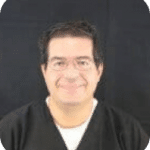
San Diego: Gregory Zengo, MD, FACOG
Trained in botulinum toxin by Dr. Jean Carruthers in 2001. Over 24 years of clinical botulinum toxin experience. Founder and Medical Director of PracticalCME since 2008. Author of the Botox and Dermal Filler curriculum first published in 2012. California licensed and teaches San Diego hands-on sessions at Liberty Station near SAN Airport. View San Diego Botox and Filler training dates.


San Francisco Bay Area: Dr. Leila Chaychi, MD, FACE
Yale and Dartmouth-trained board-certified endocrinologist teaches hands-on at her clinical aesthetic flagship practice in Los Gatos, serving the entire Bay Area including San Francisco, San Jose, Oakland, and Silicon Valley. View San Francisco Botox and Filler training dates.

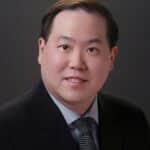
Los Angeles and Orange County: Dr. Thomas Lee, MD
PracticalCME’s longest-running California clinical site has been in continuous operation since 2015. Dr. Lee teaches Hands-on sessions at a clinical facility in Orange County convenient to Los Angeles (LAX), John Wayne (SNA), and Long Beach (LGB) airports. View Los Angeles and Orange County Botox and Filler training dates.

Frequently Asked Questions
Can a California RN inject Botox?
Yes, a California RN can inject Botox under written Standardized Procedures approved at their workplace, under the delegation of a physician medical director. The RN cannot practice independently.
Can a California NP open an independent medspa?
Only a Category 104 NP can practice fully independently under AB 890. Traditional NPs and 103 NPs require different levels of physician involvement. Corporate Practice of Medicine rules apply regardless of NP category and limit entity ownership structures to licensed physicians.
How many years of experience does a California NP need to become a 104 NP?
Approximately six years of California NP practice. Three years (or 4,600 hours) are required to qualify for Category 103 status. Three additional years in good standing as a 103 NP are required to qualify for Category 104 status.
Does California require a specific aesthetic injection certificate?
No. The state does not issue a separate aesthetic injection credential. The provider’s base license plus documented training (CME or CE) establishes competency. Documented ACCME, AANP, or ANCC credit is the recognized evidence of training.
Can a California PA inject Botox independently?
No. A California PA must inject under a written delegation from a supervising physician under the practice agreement. The supervising physician defines the scope of delegated procedures.
Can a dentist inject Botox for cosmetic purposes in California?
California dental scope is limited to the oral cavity. Cosmetic facial Botox injection outside the perioral and oral indications generally falls outside the California dental board’s recognized scope. A dentist seeking to provide cosmetic injectables should verify current Dental Board guidance for their specific procedure.
Is PracticalCME ACCME-accredited for California providers?
Yes. PracticalCME holds ACCME accreditation through a joint provider arrangement with Global Education Group. The California Medical Board recognizes AMA PRA Category 1 CME credit for physician license renewal, and the California Board of Registered Nursing recognizes ANCC and AANP credit for nursing license renewal.
Sources and Further Reading
California Medical Board: mbc.ca.gov
California Board of Registered Nursing: rn.ca.gov
California Physician Assistant Board: pab.ca.gov
California Nurse Practitioners on the Path to Full Practice Authority (Lengea Law): lengealaw.com
Pulse Check: 103 NPs and the Arrival of 104 NPs in 2026 (Sheppard Health Law): sheppardhealthlaw.com
California Nurse Practitioner License Requirements 2026 (Nursing Licensure): nursinglicensure.org
103 and 104 Nurse Practitioners in California (DJ Holt Law): djholtlaw.com
California Business and Professions Code Section 1625 (Dental Practice Act scope): leginfo.legislature.ca.gov
Provision of Botox Solely for Cosmetic Purposes is Outside the Scope of Dental Practice in California (California Dental Association): cda.org
California Department of Consumer Affairs License Lookup (verifies Medical Board, Dental Board, Board of Registered Nursing, and PA Board licensure): search.dca.ca.gov
Last reviewed: November 16, 2026. State regulations change frequently. Verify current rules with the applicable California board before relying on this summary for practice decisions.